
An Ultimate Guide on Machining Teflon
Discover the art of machining Teflon with precision! Our ultimate guide covers techniques, tools, and tips for perfect results. Dive in now!
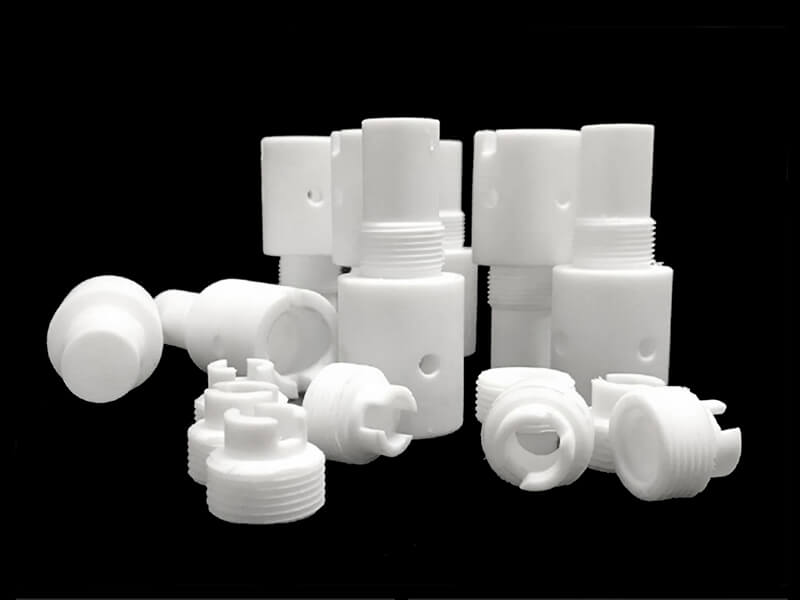
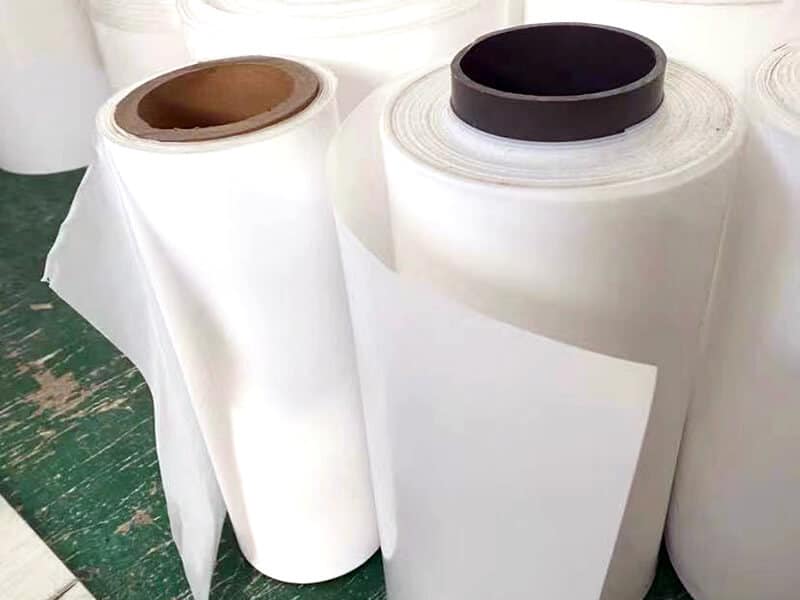
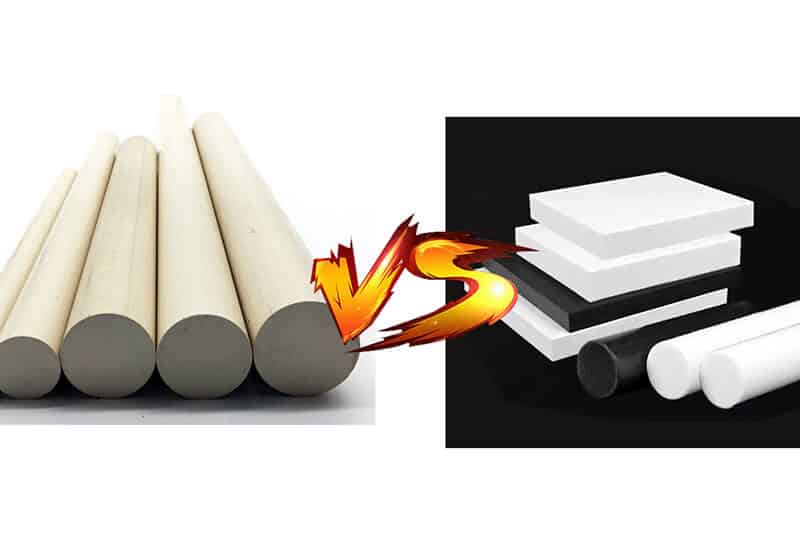
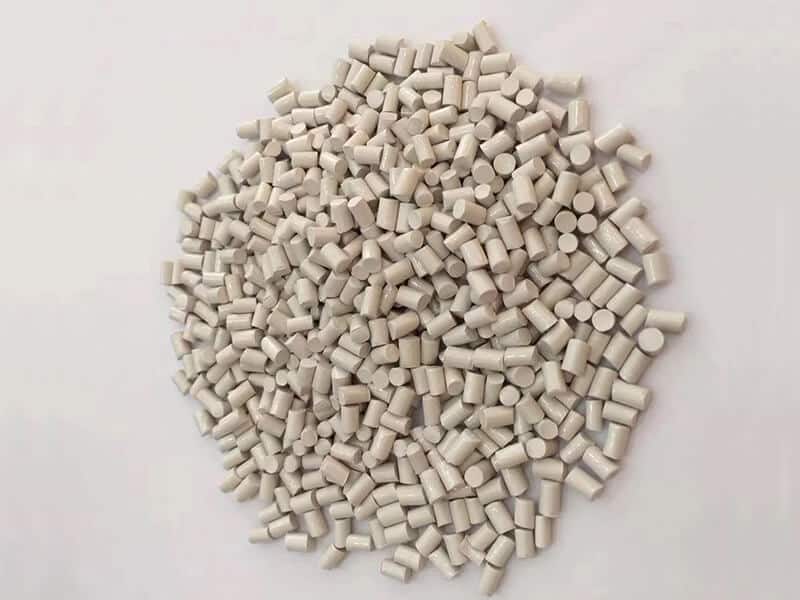
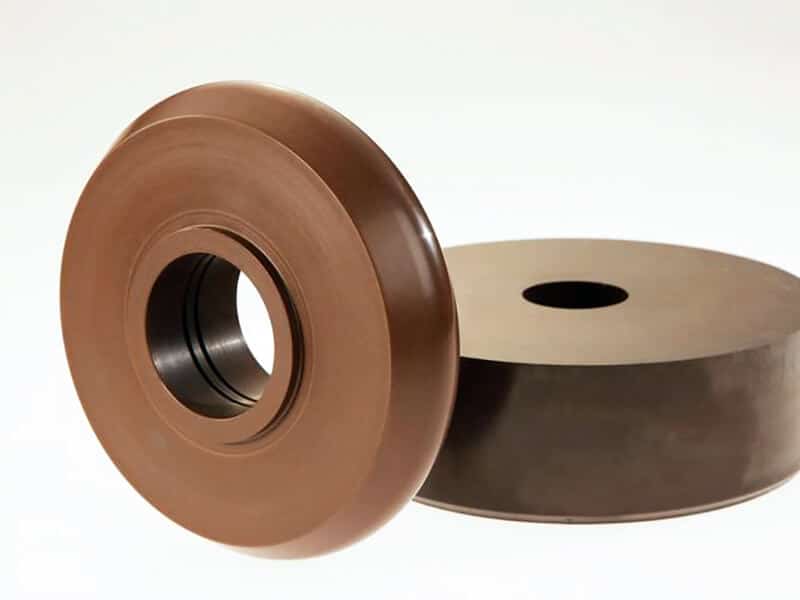
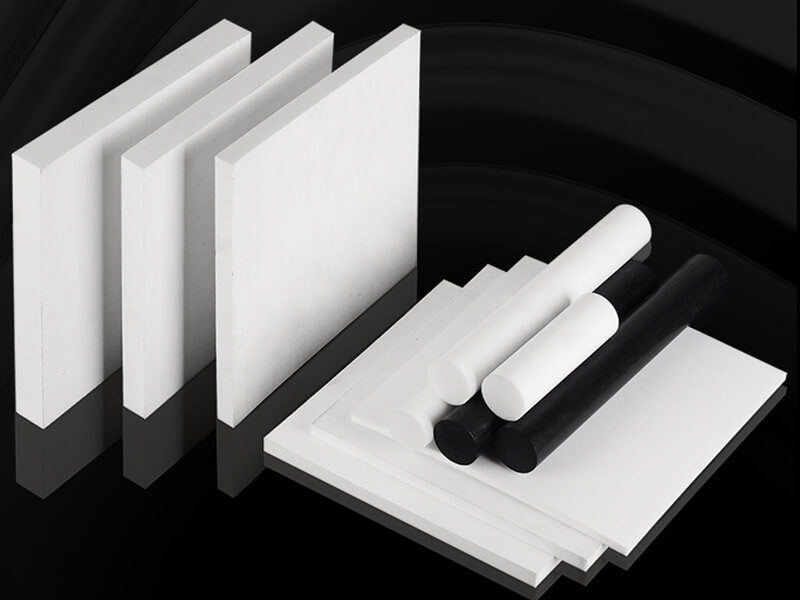
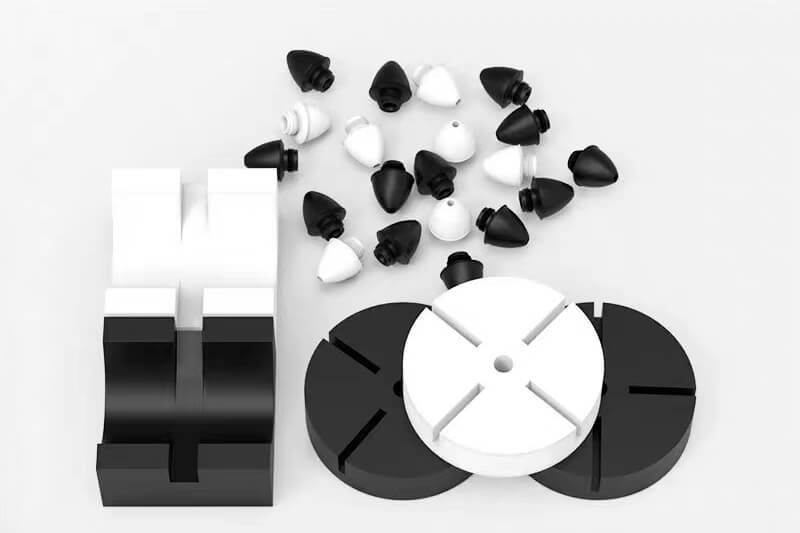
Teflon, also known as polytetrafluoroethylene (PTFE), is a popular construction material in the world of precision engineering and manufacturing. This material is renowned for its chemical, weather, and water resistance, more significant impact strength, thermal stability, etc.
This superb material is used in various industries like aerospace, healthcare, electronics, and beyond. To produce products for the mentioned industries, it is essential to reshape and resize while bringing changes in the formation, etc.
In this article, we describe the in-depth process of machining Teflon while pointing out some prominent advantages of doing such. We also inform the process to deal with machining challenges.
Advantages of Machining Teflon
In this section, we list some benefits of Teflon machining.


In-depth Exploration of Processes of Teflon Machining
Here, we detail the most common processes of Teflon machining.
Sawing of Teflon
Below is the Teflon sawing process.
Step 1: We make ready the workstation and wear protective measures.
Step 2: Then, we choose a coarse saw blade for cutting Teflon. The reason for such a choice is that coarse blades are more effective in preventing clogging with resin than finer-toothed ones. Additionally, longer saw blades are generally more effective for Teflon cutting. However, we always choose a band saw with a long blade for the best results.
Step 3: Now, we fix the Teflon workpiece on the work surface by using a clamp or a suitable vice. This is to ensure that the workpiece will not move during cutting. Hence, the orientation of any undesirable happenings or accidents is prevented.
Step 4: We set up the band saw and ensure that the blade is correctly tensioned and aligned.
Step 5: Now, we start operating the band saw at moderate speeds. Here, moderate speed is essential to restrict excess heat buildup during cutting. In this way, we maintain the integrity of the Teflon and ensure accurate cuts.
Step 6: We begin the cutting process by gently guiding the Teflon workpiece into the blade. In this case, we try our best to avoid imposing a greater amount of pressure. We apply steady and even pressure to the workpiece. Most importantly, we let the blade do its work.
Step 7: During the cutting process, we monitor the process carefully. In case we observe an excessive amount of heat being generated, we use coolant to dissipate the heat. This helps prevent the Teflon from melting or warping due to excessive heat.
Step 8: After completing the cut, we get the pieces of Teflon and inspect the edges of every piece. If any portion of the edge is uneven or rough, we use sandpaper to smooth and polish the surface.
Step 9: Finally, we clean the workplace and collect all the Teflon dust particles in a bag or container. Later on, we dispose of the waste according to the state’s safety and environmental regulations.
Drilling Process of Teflon
The following is the drilling process of Teflon.
Step 1: First of all, we mark the spots where to create the holes. Then, we choose a standard high-speed drill bit for the job. We ensure that it is functional and capable of running at different RPMs.
Step 2: We set the drill’s RPM (Revolutions Per Minute) in this step. For instance, 1000 RPM for holes up to 0.197 inches in diameter. And for holes up to 0.591 inches, we set the RPM to 600.
Step 3: Again, to make the tools more efficient, we minimize friction during drilling. To do so, we employ a sharply angled “back-off” cut on the cutting tool’s edge. This approach is also helpful in reducing heat generation and restricting PTFE from sticking to the tool.
Step 4: We start the PTFE drilling at a slow speed. It is not advised to drill the hole depth at a time. We progress the work in a stepwise manner to avoid heat generation and material melting.
Step 5: Finally, we let the PTFE material relax at room temperature for a minimum of 24 hours. This waiting period allows the material to return to its natural state, reducing the chances of post-drilling dimensional changes.
Step 6: Now, we closely examine the work quality and do polishing work to get a perfect finish.
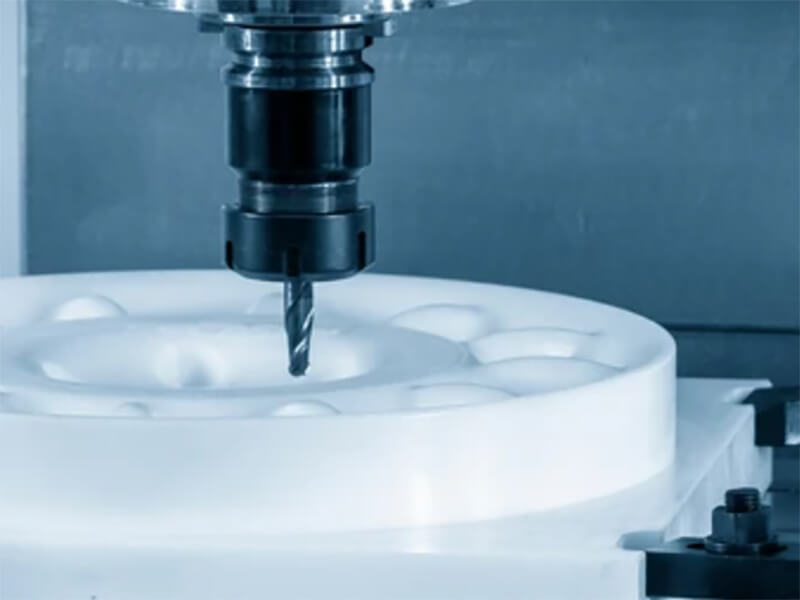
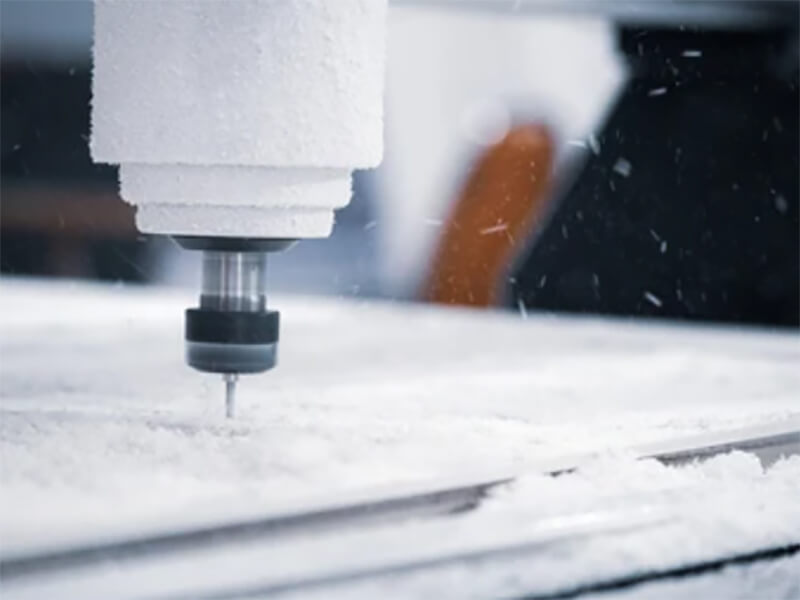
Milling of Teflon by using CNC
Below is the guideline.
Step 1: We use CAD to create a design that we want to impose on Teflon. We input all the specifications correctly during this phase to get a precise outcome. In the CAD, we also feed the speed within the range of 200-500 feet per minute. And we also set the rotational speed at 0.002-0.10 per revolution.
Step 2: We set the CNC machine’s zero points accurately. It means the workpiece and machine are both set at zero points. However, the workpiece’s mount must be tight enough.
Step 3: We start the milling process and use a coolant or air blast to dissipate heat generated by the cutting tool.
Step 4: After the milling is completed, we inspect the milled surface for any imperfections or irregularities. In the case of finding any rough edges, we use deburring tools to make the edges polished.
Final Words
Machining Teflon is a lucrative process to get advantages of its superior properties like low friction coefficient, chemical resistance, thermal stability, etc. Our guide on the process of Teflon machining is considered assistive for professionals, engineers, and product designers from various industries.
We always recommend personnel working in Teflon machining to use personal protective measures.
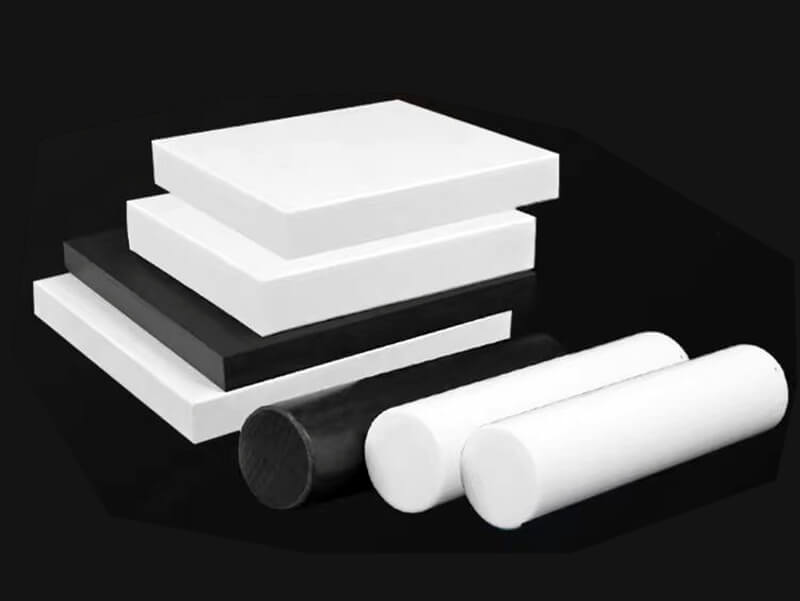
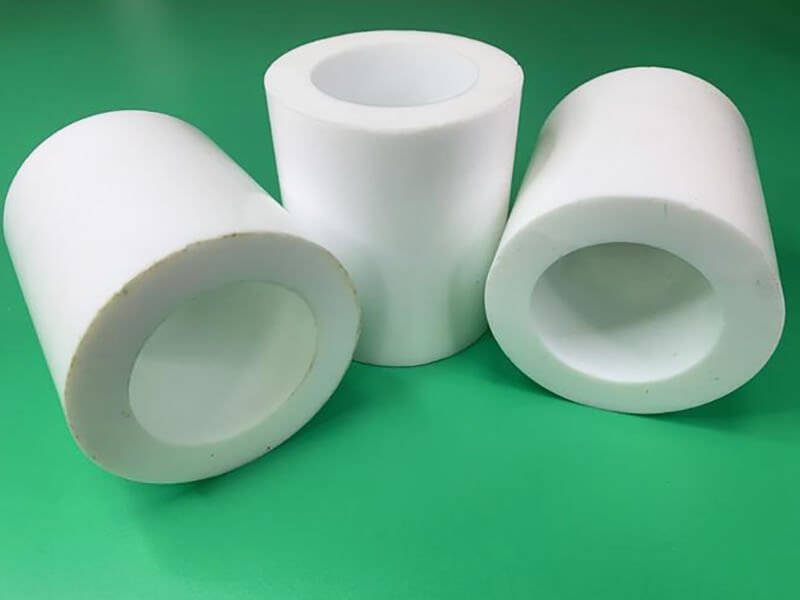
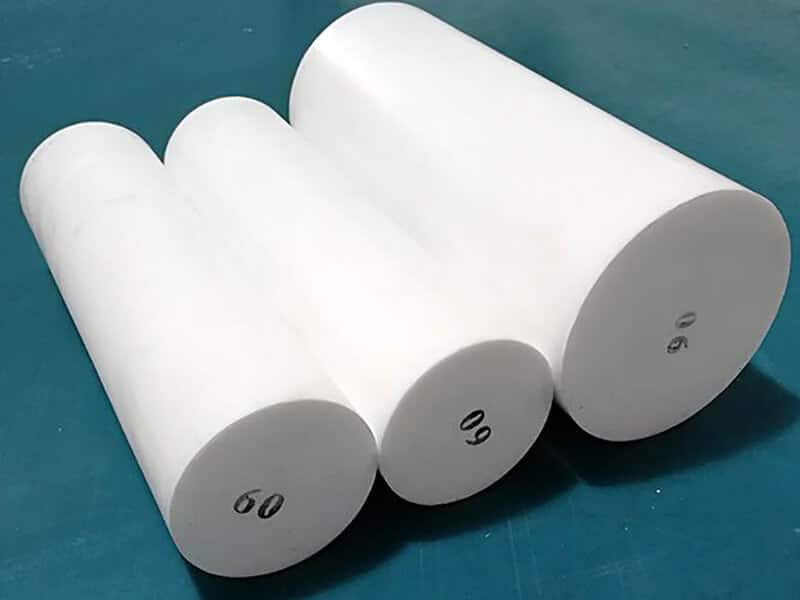
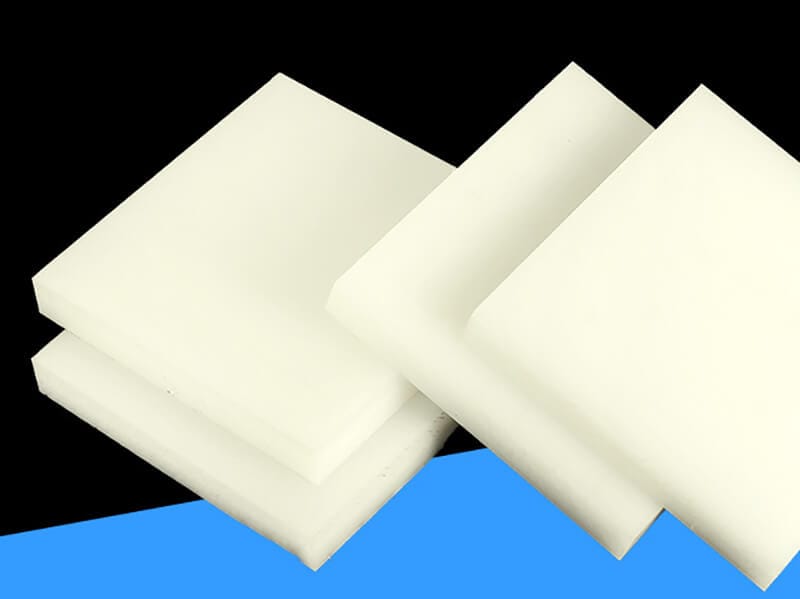
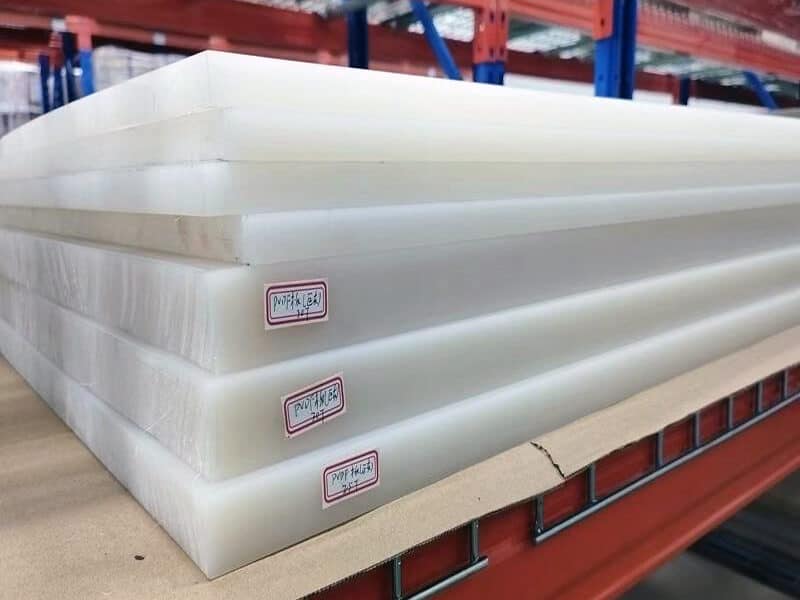
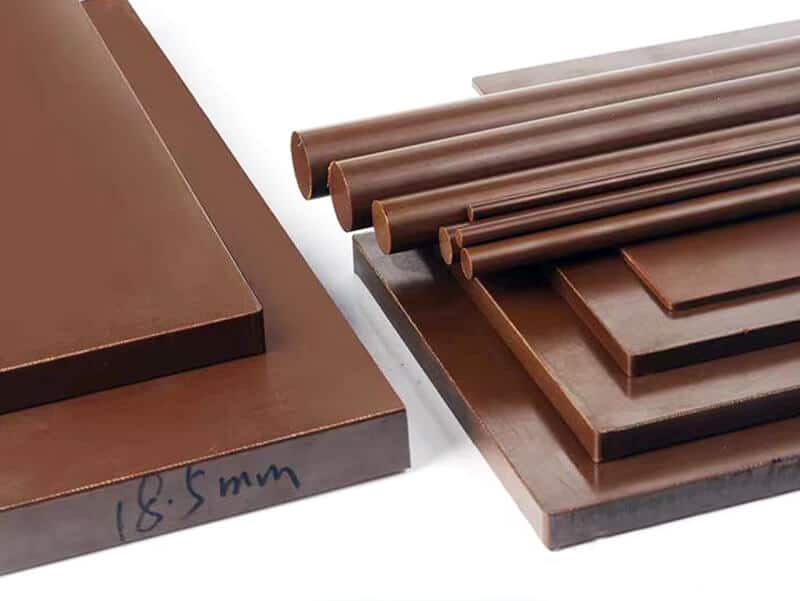
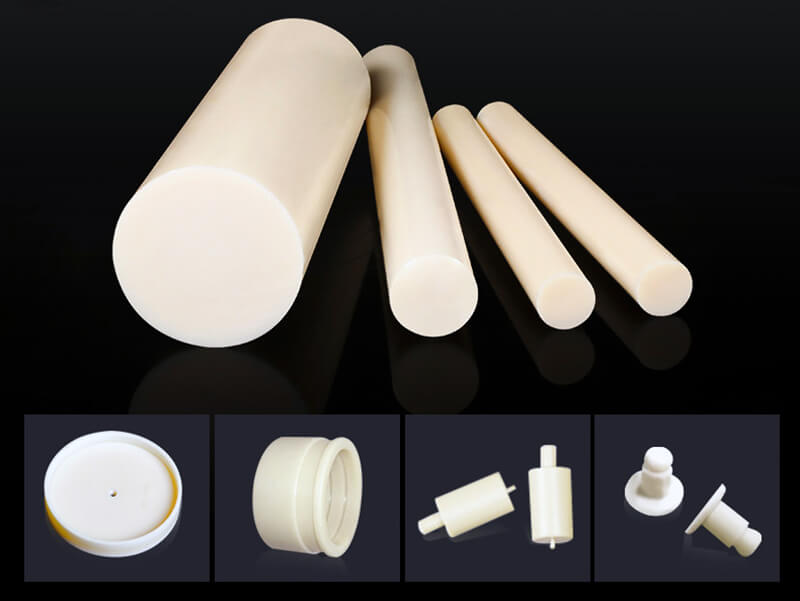
Finally, UVTECO has the rich experience in Teflon plastic material use and handling also contributes to its identification process. If you need Teflon sheet, rod, tube, or machining part, contact UVTECO, an expert in material and machining solutions. We can help you.
Related Blogs





























Looking for a trustworthy Supplier
Need a Trustworthy Supplier of Plastic, Foam, Sponge, Rubber, Metal, and Machining Solution. Click the Button, We Will Be In Touch With You As Quickly As Possible.